
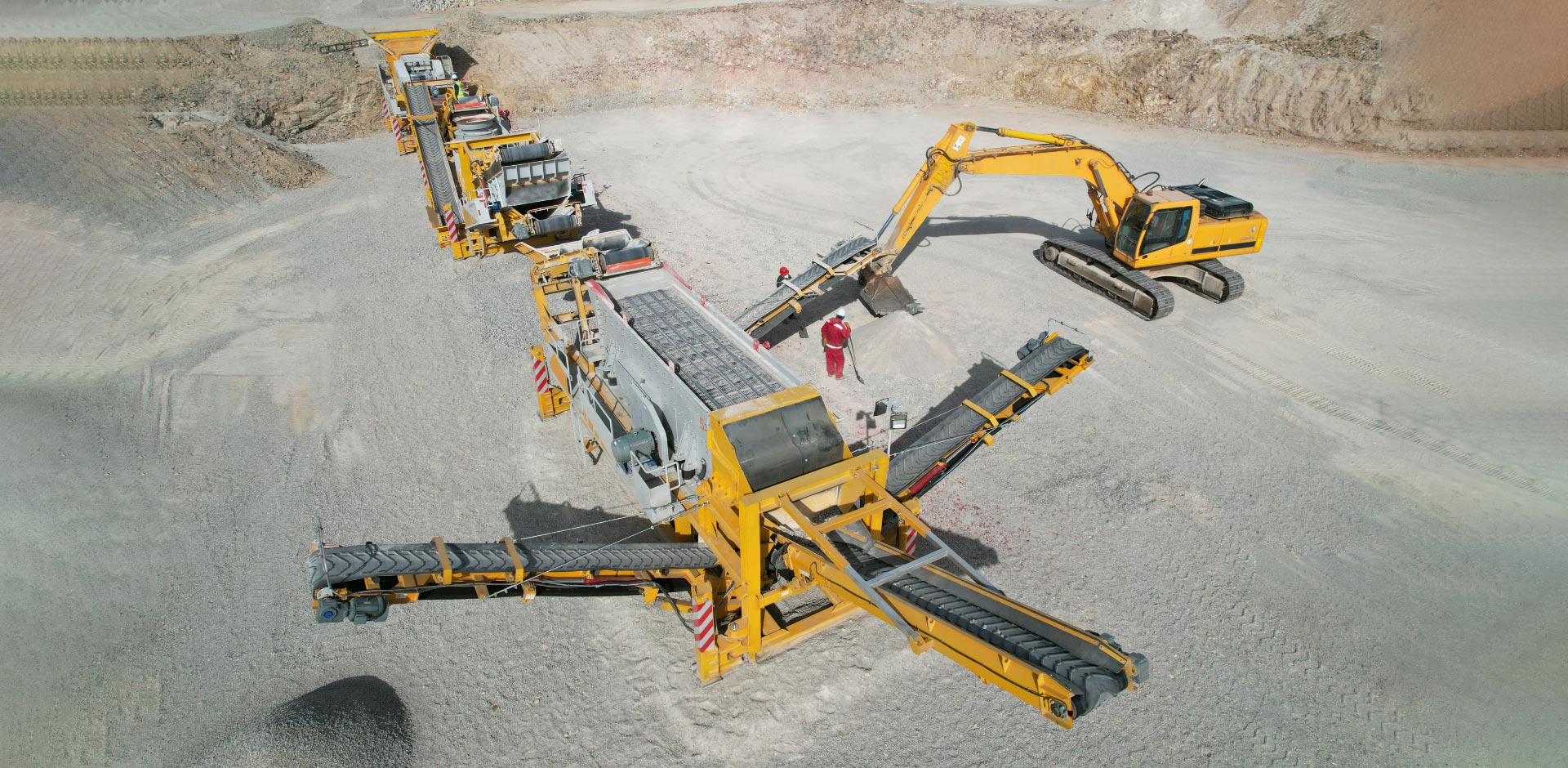
After building demolition, marble-containing construction waste often requires targeted crushing to realize resource recycling—either as recycled aggregates for new construction projects or processed into decorative materials. Selecting a 50tph stationary construction waste crusher plant that is tailored to marble crushing is crucial to balancing efficiency, product quality, and operational cost. Marble, with its moderate hardness, brittle texture, and high aesthetic value, has unique requirements for crushing equipment compared to ordinary construction waste like concrete blocks. Meanwhile, the 50tph output specification determines the plant’s scale and configuration, requiring precise matching of each component to avoid overcapacity waste or insufficient output. This guide summarizes key tips for selecting such a crushing plant, integrating considerations of marble characteristics, equipment configuration, manufacturer reliability, and practical operational needs, to help you make an informed decision.

Clarify Crushing Requirements & Marble Characteristics
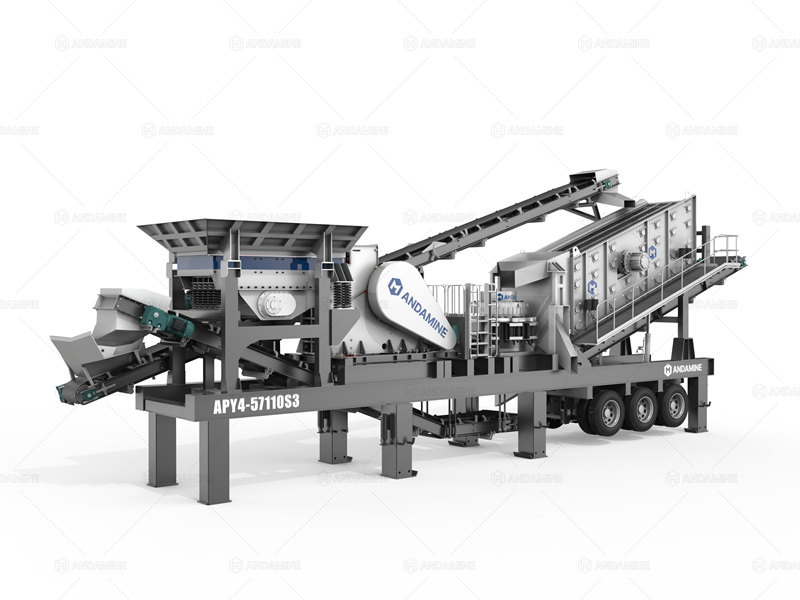
Marble from building demolition usually mixes with other construction waste (such as steel bars, bricks, and concrete), so the 50tph stationary construction waste crusher plant must have strong adaptability to mixed materials while ensuring marble crushing quality. Marble has a Mohs hardness of 3-5, which is relatively soft, but it is prone to chipping and powdering if crushed improperly, affecting the value of recycled products. Therefore, the selection of crushing equipment (a key part of types of stone crusher) should prioritize models that minimize excessive crushing. For the 50tph output, a two-stage or three-stage crushing process is usually recommended: primary crushing for large marble blocks and mixed construction waste, secondary crushing for shaping, and optional tertiary crushing for refining particle size. The primary crusher is often a jaw crusher, which has strong crushing capacity and can handle large feed sizes (suitable for demolition waste with irregular block sizes). The secondary crusher can choose an impact crusher or a cone crusher—impact crushers are better for marble shaping, producing cubic aggregates with good grain shape, while cone crushers are more suitable for handling harder impurities mixed in construction waste, ensuring stable operation. It is also necessary to equip a high-efficiency screening system to separate marble aggregates of different specifications and remove impurities like steel bars, which is essential for improving the quality of recycled marble products.
Focus on Configuration Rationality & Core Component Quality
The 50tph output is a medium-scale specification, so the plant’s overall configuration must be compact and efficient, avoiding redundant components that increase investment and operational costs. The core components, such as the crusher’s rotor, wear plates, and bearing seats, directly affect the plant’s service life and operational stability—especially when crushing marble, which has high abrasive resistance, the wear parts should be made of high-quality alloy materials to reduce replacement frequency and maintenance costs. In addition, the plant should be equipped with a complete dust removal and noise reduction system. Marble crushing is prone to generating a large amount of dust, which not only pollutes the environment but also endangers the health of operators; therefore, a bag-type dust collector or electrostatic dust collector should be configured to meet environmental protection standards. The noise reduction design is also important, especially if the crushing plant is located near residential areas, to avoid disturbing residents. It is also recommended to choose a plant with an intelligent control system, which can realize automatic operation, remote monitoring, and fault alarm, reducing manual operation intensity and improving production efficiency.
Evaluate Manufacturer’s Capabilities & After-Sales Service
A reliable manufacturer should have rich experience in designing and producing 50tph stationary construction waste crusher plants, and be able to provide customized solutions according to the characteristics of marble crushing and the specific conditions of demolition waste. Before purchasing, you can inquire about the manufacturer’s successful cases, such as whether they have supplied similar crushing plants for marble recycling projects, and visit the manufacturer’s production workshop to check the production process and quality control system. A qualified manufacturer will strictly control the quality of each component, from raw material procurement to finished product inspection, ensuring that the plant meets the designed output and performance requirements. In addition, comprehensive after-sales service is indispensable—including on-site installation and commissioning, operator training, regular maintenance, and timely supply of spare parts. Marble crushing plants may encounter wear part replacement or equipment failures during long-term operation, so a manufacturer with a sound after-sales network can provide timely support, minimizing downtime and reducing economic losses. Prioritize manufacturers with proven expertise in both marble crusher machine and construction waste crusher plant production, as this ensures they understand the unique needs of your marble crushing operation.
Consider Cost-Effectiveness & Long-Term Operational Benefits
The initial investment is an important consideration, but it should not be the only criterion—low-priced plants may have hidden costs such as frequent maintenance, high energy consumption, and short service life. It is necessary to calculate the total cost of ownership, including initial investment, energy consumption, maintenance costs, spare parts replacement costs, and labor costs. A high-quality crushing plant may have a higher initial investment, but it has the advantages of low energy consumption, long service life, and high production efficiency, which can save costs in the long run. At the same time, it is necessary to predict the market demand for recycled marble products—if the recycled aggregates are used for high-end construction or decorative purposes, the plant’s crushing precision and product shaping effect should be prioritized; if used for ordinary road construction, the focus can be on operational stability and cost control. In addition, the plant’s scalability should be considered—if there is a possibility of increasing output in the future, the selected plant should have the potential for modular expansion, avoiding the need for complete replacement of equipment.
Ensure Compliance with Regulations & Standards
The 50tph stationary construction waste crusher plant must meet local environmental protection, safety, and construction waste disposal regulations. For example, the dust and noise emissions must comply with national or regional standards, and the recycled marble aggregates must meet the quality requirements of relevant construction materials. Before purchasing, it is necessary to confirm with the manufacturer that the plant has passed the relevant certifications (such as ISO quality management system certification, environmental protection certification) and can provide the required technical documents and inspection reports. This not only ensures the legality of the crushing operation but also avoids potential legal risks and penalties. Additionally, staying updated on evolving environmental regulations ensures your plant remains compliant for long-term operation, avoiding costly retrofits or shutdowns.
In conclusion, selecting a 50tph stationary construction waste crusher plant for marble crushing after building demolition requires comprehensive consideration of marble characteristics, equipment configuration, manufacturer reliability, cost-effectiveness, and regulatory compliance. By clarifying crushing requirements, optimizing equipment configuration, choosing a professional manufacturer, and focusing on long-term operational benefits, you can select a plant that meets your actual needs, realizing efficient recycling of marble-containing construction waste and maximizing economic and environmental benefits.