
Efficient operation of a concrete batching plant is critical for ensuring consistent concrete quality, minimizing downtime, and reducing overall production costs. Leading concrete batching plant suppliers worldwide recommend a series of best practices that not only optimize productivity but also extend equipment lifespan. From equipment selection and site layout to preventive maintenance and staff training, these guidelines are essential for contractors and plant operators seeking reliable and cost-effective concrete production.
This article explores these best practices while highlighting insights from global markets, including China concrete batching plant, a concrete batching plant supplier in Malaysia, and concrete batching plant manufacturers in South Africa.
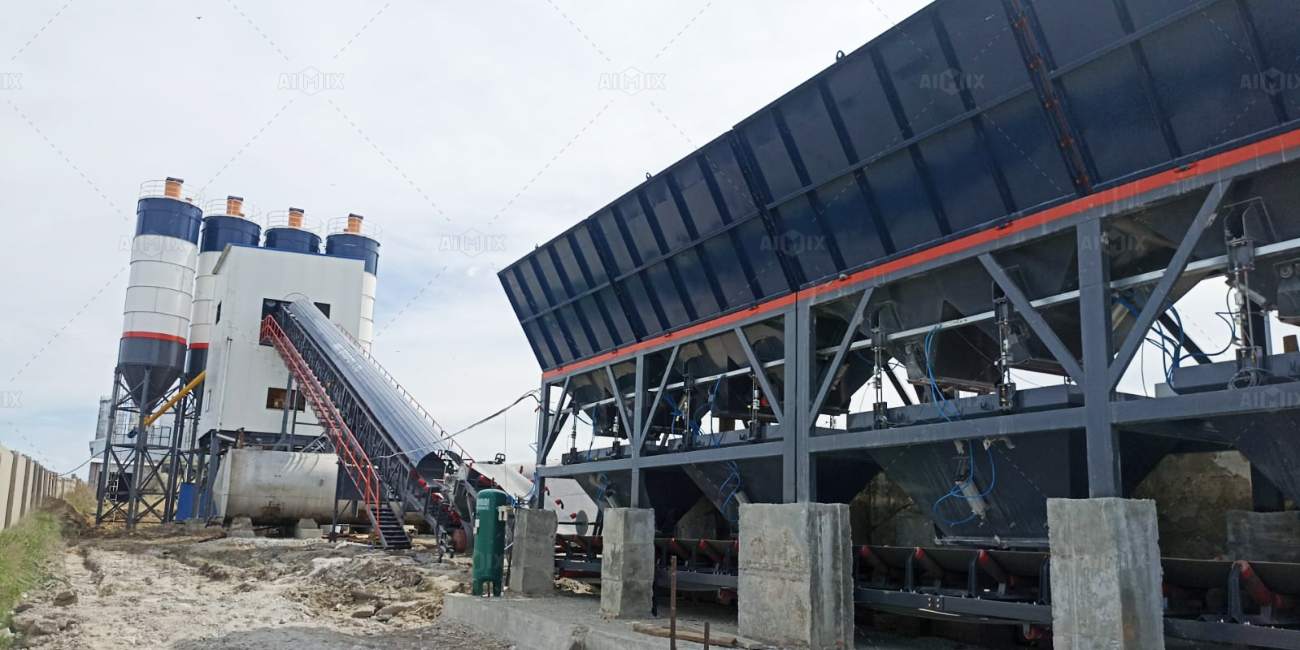
Selecting the Right Equipment for Your Needs
The first step toward efficient plant operation is choosing the right type and size of concrete batching plant. Suppliers emphasize that the plant should match the project’s capacity, material types, and production requirements.
-
China concrete batching plant manufacturers are known for offering a range of models—from small mobile units to large stationary plants—providing flexibility for diverse project scales.
-
For projects in Southeast Asia, engaging a reputable concrete batching plant supplier in Malaysia ensures that the plant design aligns with local material availability, power supply, and environmental regulations.
-
In Africa, concrete batching plant manufacturers in South Africa provide models optimized for high durability and efficiency in challenging climates and large-scale construction projects.
Selecting an appropriate plant prevents underutilization or overloading, both of which can compromise efficiency and concrete quality.
Proper Plant Layout and Material Handling
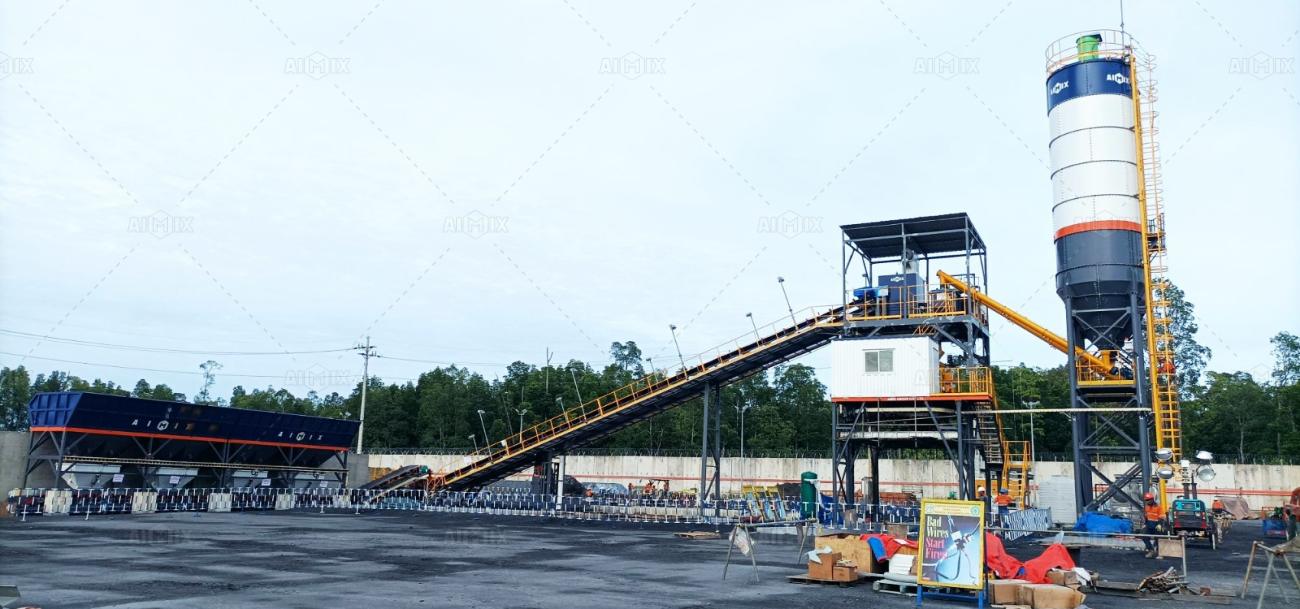
An efficient batching plant starts with a well-planned layout. Suppliers recommend placing aggregate storage bins, cement silos, conveyors, and mixers in a configuration that minimizes material transport distances and avoids bottlenecks.
Key considerations include:
-
Ensuring smooth flow from aggregate bins to the mixer to reduce idle time.
-
Using conveyors or hoppers designed to handle the specific weight and type of aggregates.
-
Proper silo placement to facilitate quick and accurate cement feeding.
For example, concrete batching plant suppliers in Malaysia often advise clients on site layouts that optimize space in urban areas while maintaining operational efficiency, whereas China concrete batching plant models often integrate modular layouts that are easily adjustable for various site constraints.
Regular Preventive Maintenance
Maintenance is one of the most critical factors in achieving consistent plant performance. Suppliers worldwide recommend the following preventive measures:
-
Inspect and lubricate all moving parts, including conveyors, mixers, and feeders.
-
Check electrical systems and control panels regularly to prevent downtime.
-
Replace worn-out or damaged components promptly to avoid cascading failures.
Concrete batching plant manufacturers in South Africa often emphasize preventive maintenance programs, especially in high-volume plants, where downtime can lead to significant project delays. Following a structured maintenance schedule reduces repair costs and keeps production running smoothly.
Adopting Automation and Smart Control Systems
Modern concrete batching plants increasingly rely on automation to improve efficiency and accuracy. Smart control systems help operators manage material proportions, monitor mixer performance, and optimize batching cycles.
-
Automated weighing systems ensure consistent concrete quality and minimize material waste.
-
Real-time monitoring allows quick adjustments to production parameters, maintaining operational efficiency.
-
Data logging helps track performance and identify areas for improvement.
Many China concrete batching plant suppliers integrate advanced control systems into their plants, making them highly competitive for global projects, while concrete batching plant suppliers in Malaysia provide localized software support tailored to regional production practices.
Training and Skilled Workforce
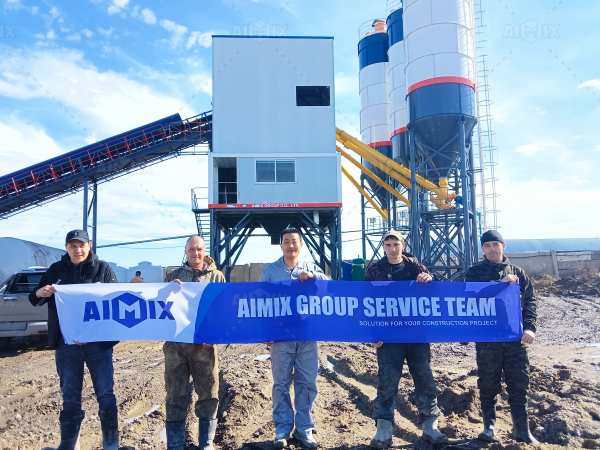
Even the most advanced equipment cannot operate efficiently without skilled operators. Suppliers stress the importance of proper training to ensure that personnel understand plant operation, safety protocols, and troubleshooting procedures.
-
Operators trained in proper loading sequences, mixer maintenance, and quality checks reduce errors and rework.
-
Training programs provided by concrete batching plant suppliers in Malaysia and manufacturers in South Africa often include both on-site and virtual sessions to cover technical and operational aspects.
-
Cross-training staff on multiple tasks increases flexibility and reduces downtime in case of absenteeism.
A knowledgeable workforce directly contributes to energy efficiency, reduced material waste, and consistent concrete quality.
Implementing Sustainability Practices
Leading suppliers also recommend adopting eco-friendly practices to improve operational efficiency and environmental compliance. These include:
-
Recycling water used in washing mixers and trucks.
-
Using low-energy motors and energy-efficient lighting.
-
Incorporating dust suppression systems around aggregate storage and conveyors.
China concrete batching plant models often feature integrated dust collectors, while concrete batching plant manufacturers in South Africa focus on energy-efficient designs that are suitable for large infrastructure projects. Sustainability practices not only reduce environmental impact but also help contractors meet local regulatory requirements.
Regular Quality Monitoring
Consistent concrete quality is a hallmark of efficient batching operations. Suppliers recommend:
-
Frequent sampling of fresh concrete for slump and compressive strength tests.
-
Calibration of weighing systems to maintain accurate material proportions.
-
Continuous monitoring of water-cement ratios to ensure mix consistency.
Following these practices helps avoid costly rework and ensures that the final concrete meets project specifications.
Conclusion
Efficient operation of a concrete batching plant relies on a combination of proper equipment selection, optimized layout, preventive maintenance, automation, skilled workforce, sustainability, and quality monitoring. Engaging reputable suppliers—from China concrete batching plant manufacturers to a concrete batching plant supplier in Malaysia or manufacturers in South Africa—ensures access to reliable technology, technical support, and best practices.
By adopting these guidelines, contractors can maximize productivity, maintain high concrete quality, reduce operational costs, and ensure long-term success in construction projects of any scale.