
For contractors and infrastructure developers in Russia, choosing the right asphalt plant equipment is crucial for the success of multi-lane city road projects. An 80 TPH asphalt plant may seem modest compared to larger industrial units, but its efficiency, flexibility, and operational benefits can make it a practical choice for urban road construction. In this article, we will explore how 80 TPH asphalt plants meet the demands of city roads, including traffic management, project timelines, and cost efficiency, offering a clear perspective for decision-makers.
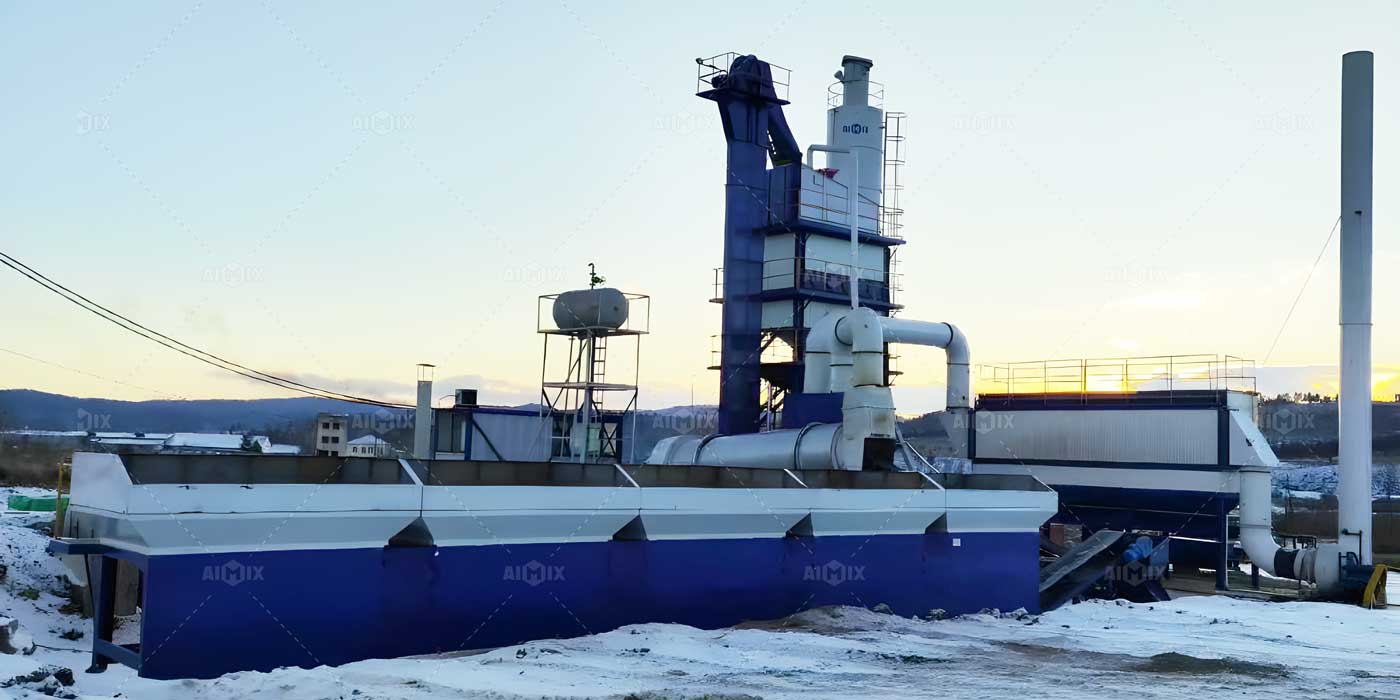
Understanding Asphalt Plant Capacity And Its Relevance To Urban Road Projects
Before evaluating whether an 80 TPH (tons per hour) asphalt plant is sufficient, it is essential to understand the factors that determine asphalt plant capacity and how they align with urban road construction needs. Asphalt plants are rated based on their maximum production per hour, which directly impacts how quickly a contractor can meet project demands.
Urban multi-lane road projects typically require precise planning, as traffic flow, lane closures, and city regulations affect construction schedules. Unlike long highways or rural roads, city projects often need smaller batches of asphalt delivered more frequently to reduce site congestion and minimize disruption. Here, an 80 TPH amp hotmix plant can provide significant advantages due to its manageable scale and mobility.
Defining Multi-Lane City Road Projects in Russia
Multi-lane city roads in Russia are usually major arterial roads connecting districts, handling high traffic volumes, and supporting public transportation systems. Typical projects involve four to six lanes, extensive curbing, drainage systems, and pavement overlays that meet strict quality and durability standards. Contractors must often work within tight urban spaces, with limited room for large equipment or extensive storage areas.
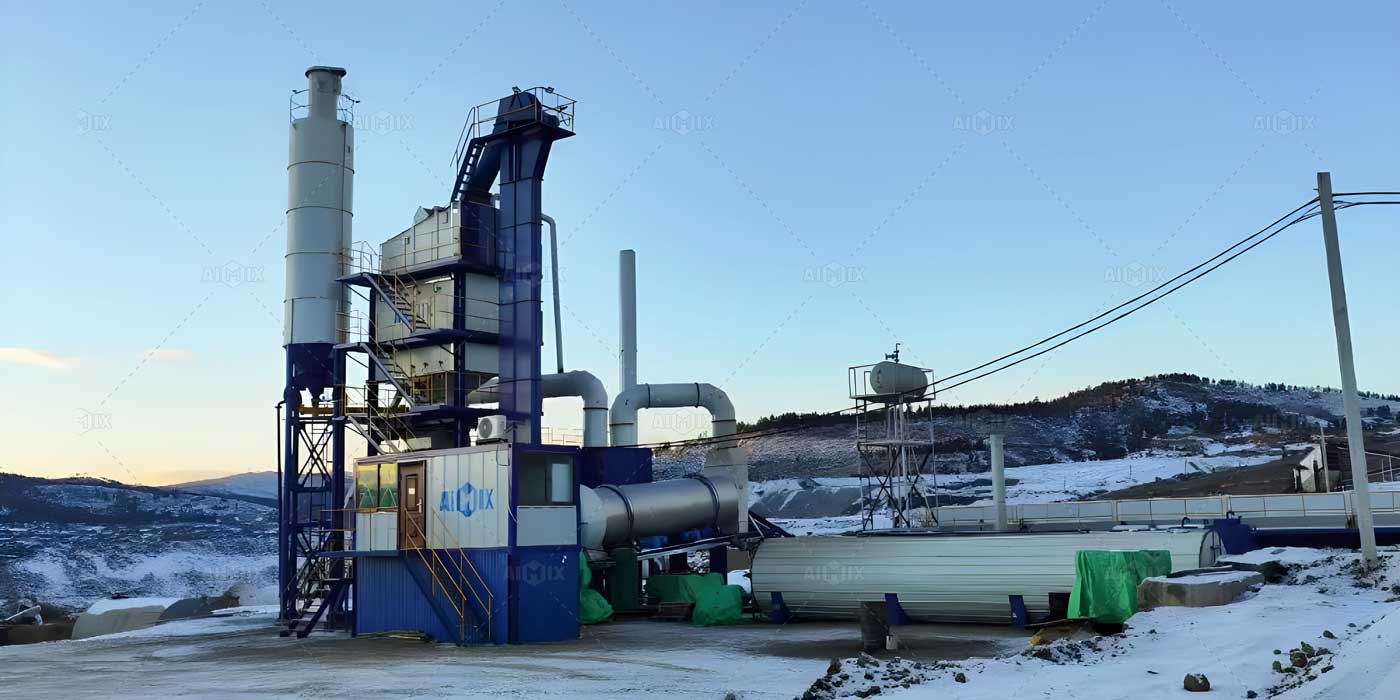
In such environments, the flexibility and compact design of an 80 TPH asphalt plant allow for efficient onsite production without overwhelming the available space. Smaller plants reduce logistics challenges, shorten delivery distances, and allow for continuous operations even in restricted urban areas.
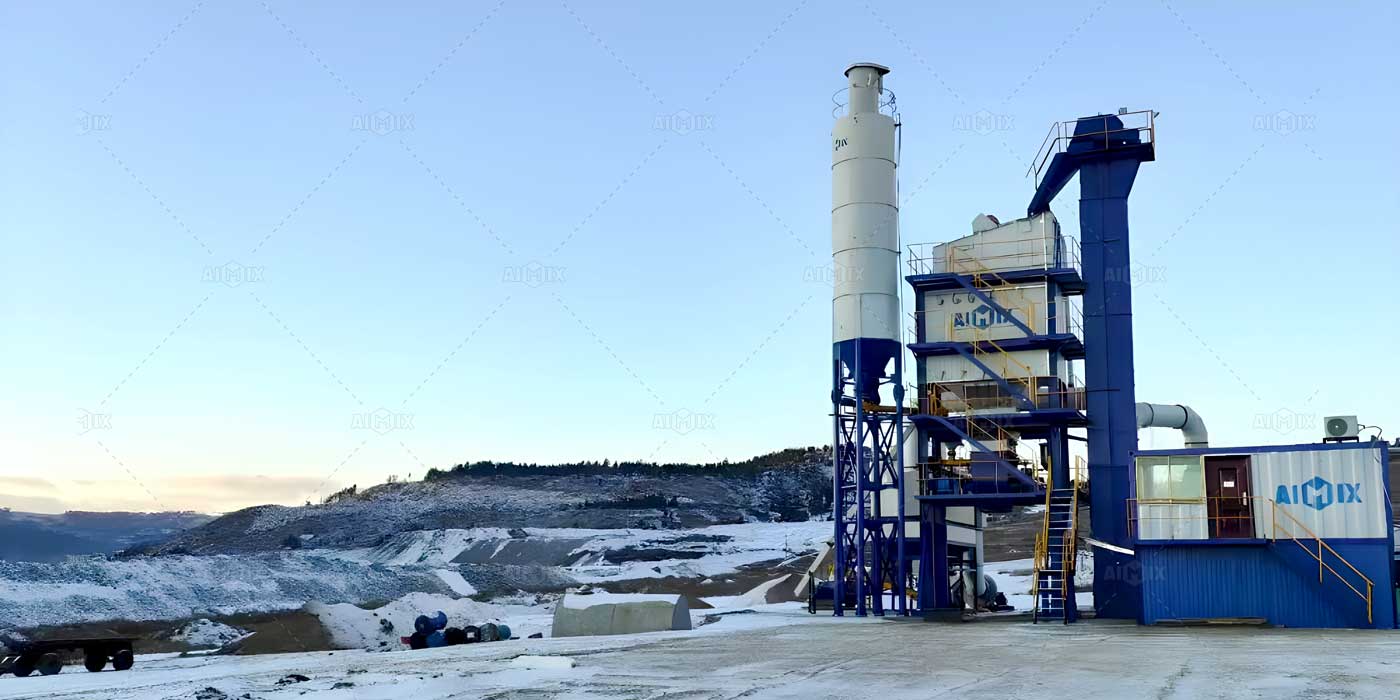
Operational Advantages of 80 TPH Asphalt Plants for City Roads
Choosing an 80 TPH asphalt plant brings several operational benefits that directly influence project efficiency and quality. The following points explain how these advantages translate into real-world benefits for Russian city road contractors.
Flexibility In Project Phasing And Scheduling
City road projects often progress in phases due to traffic management constraints. An 80 TPH plant supports phased construction because it can produce asphalt in smaller, consistent batches. Contractors can adjust production based on daily traffic patterns, lane closures, or weather conditions, ensuring minimal disruption and maximum work efficiency.
Furthermore, the ability to produce smaller quantities allows for precise control over mix specifications. Contractors can switch between different asphalt grades for different lanes, intersections, or pedestrian zones without shutting down the plant entirely. This adaptability is especially valuable in Russian cities where varying traffic demands require distinct pavement designs.
Cost Efficiency And Reduced Overhead
Smaller asphalt plants generally have lower operational costs compared to larger units. An 80 TPH plant consumes less fuel, requires fewer personnel to operate, and occupies less space for installation. These factors reduce the overall overhead, which is critical for urban projects where storage space is limited and site management costs are high.
Moreover, producing asphalt closer to the construction site reduces transport costs and the risk of material cooling before application. Contractors can achieve timely paving without the need for expensive high-capacity delivery trucks or additional storage facilities, improving project ROI. Many contractors rely on reputable asphalt mixing plant suppliers to ensure reliability and technical support.
Ease Of Installation And Mobility
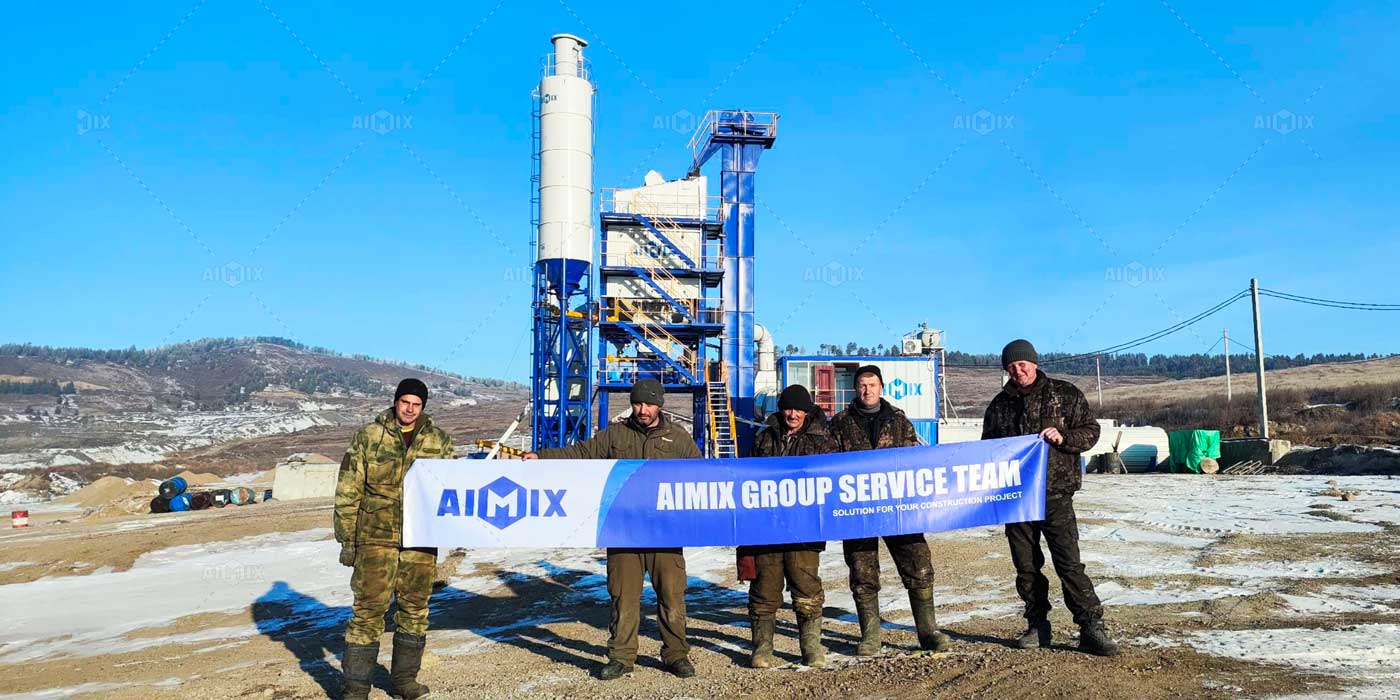
Another advantage of 80 TPH asphalt plants is their relatively compact design. Installation requires less groundwork, fewer foundations, and faster setup times. In multi-lane city projects, where space is at a premium, a plant that can be installed quickly and relocated efficiently provides a competitive edge.
This mobility allows contractors to serve multiple project sites within the same city without the need for permanent large-scale facilities. The plant can be disassembled, transported, and reinstalled at the next site, minimizing downtime between projects. For projects requiring batch precision and quality control, a batch type asphalt plant is often preferred.
Production Considerations For Multi-Lane Road Projects
While operational flexibility is important, production consistency and asphalt quality are paramount for city roads, which experience heavy traffic and seasonal temperature changes. Here’s how 80 TPH plants address these considerations:
Maintaining High Asphalt Quality
Modern 80 TPH asphalt plants are equipped with advanced mixing technology, allowing precise control over aggregate grading, bitumen content, and temperature. Contractors can meet Russian road construction standards (GOST R 50597-93 and others) for surface durability, skid resistance, and load-bearing capacity.
Additionally, smaller production batches reduce the risk of temperature loss during transportation from plant to paving site. Asphalt remains workable, preventing premature cooling that could compromise compaction and surface smoothness. This quality consistency is crucial for multi-lane urban roads where safety and longevity are non-negotiable.
Matching Production To Project Scale
Multi-lane city road projects often require specific asphalt volumes depending on lane width, pavement thickness, and intersection complexity. An 80 TPH plant can produce between 500–600 tons of asphalt per day if operated 6–8 hours, which is sufficient for most city road segments of 1–3 km per day.
For larger projects, contractors can optimize workflow by scheduling multiple daily batches, coordinating with paving crews, and adjusting production rates during peak traffic hours. This ensures continuous supply without excessive storage or material wastage, balancing production efficiency with urban operational constraints.
Case Study Examples in Russia
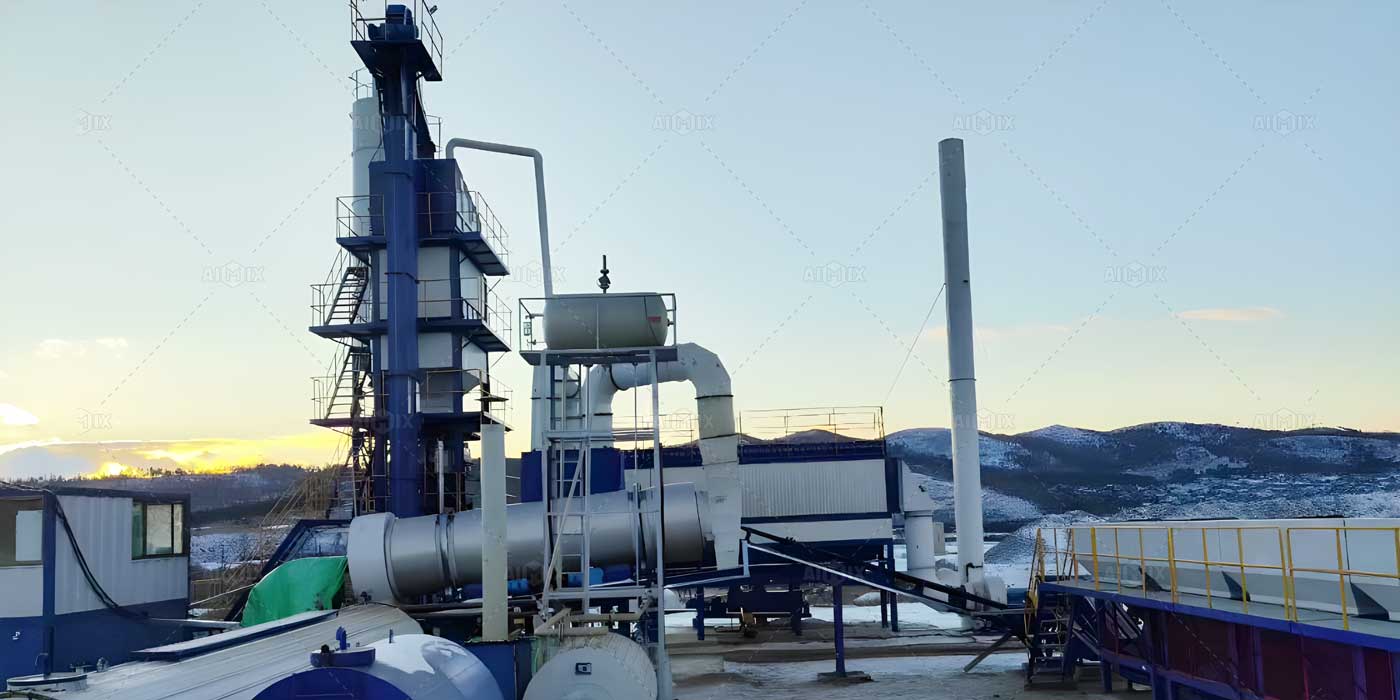
Several contractors in Russian cities have successfully used 80 TPH asphalt plants for multi-lane road projects. For instance, in a Moscow district road expansion, an 80 TPH plant provided a reliable supply for four-lane roads, intersections, and pedestrian zones. By producing asphalt close to the site, the contractor reduced transport time, minimized lane closure duration, and maintained consistent surface quality.
In another St. Petersburg urban road rehabilitation project, an 80 TPH mobile plant allowed crews to work on parallel lanes simultaneously. The plant’s mobility enabled relocation along the construction corridor, reducing delays and enhancing project management efficiency. These practical applications demonstrate that, despite its modest capacity, an 80 TPH asphalt plant can handle complex city road demands effectively.
Challenges And Mitigation Strategies
While 80 TPH asphalt plants are suitable for many urban projects, contractors must consider certain challenges and plan accordingly. Recognizing these limitations ensures that plant operations remain smooth and project deadlines are met.
Limited Maximum Output
Compared to larger 120–160 TPH plants, 80 TPH units produce less asphalt per hour. For very long urban projects or tight deadlines, contractors may need to extend working hours, operate multiple shifts, or even combine two plants to meet demand. Strategic scheduling and batch planning help mitigate this limitation without compromising project quality.
Urban Logistics Constraints
Even with a compact plant, city roads can pose logistical challenges such as restricted access, traffic congestion, and regulatory permits. Contractors should coordinate with local authorities to schedule deliveries, manage lane closures, and optimize plant placement. Using an 80 TPH mobile plant can alleviate these challenges by allowing relocation as work progresses along the corridor.
Conclusion: Is an 80 TPH Asphalt Plant Right for Your Project?
For multi-lane city road projects in Russia, an 80 TPH asphalt plant offers a compelling combination of flexibility, cost efficiency, and high-quality output. Its manageable capacity aligns well with urban project requirements, phased construction, and site space limitations. With proper planning, scheduling, and logistics, contractors can achieve consistent asphalt production, maintain quality standards, and minimize disruptions to city traffic.
Investing in an 80 TPH asphalt plant allows contractors to focus on precise project execution rather than dealing with the challenges of oversized industrial equipment. Whether it’s a four-lane city arterial, an intersection upgrade, or a district rehabilitation project, an 80 TPH plant can provide reliable performance without unnecessary overhead.
Call To Action: Optimize Your City Road Projects Today
If you are planning multi-lane city road construction or rehabilitation in Russia, consider the practical advantages of an 80 TPH asphalt plant. Its efficiency, mobility, and adaptability make it a smart choice for urban contractors seeking cost-effective, high-quality asphalt production. Connect with our team today to explore customized solutions, technical support, and onsite implementation strategies tailored to your project needs. Maximize productivity and achieve durable, safe, and smooth city roads with the right asphalt plant.